
What Are Some Ideas for a Low-Maintenance Garden in Cape Town?
Plant for the soil you actually have, cover bare ground with mulch, keep the lawn to the size you'll use, water within the City's times and shelter the garden from the wind. Here's how each idea works in Cape Town.
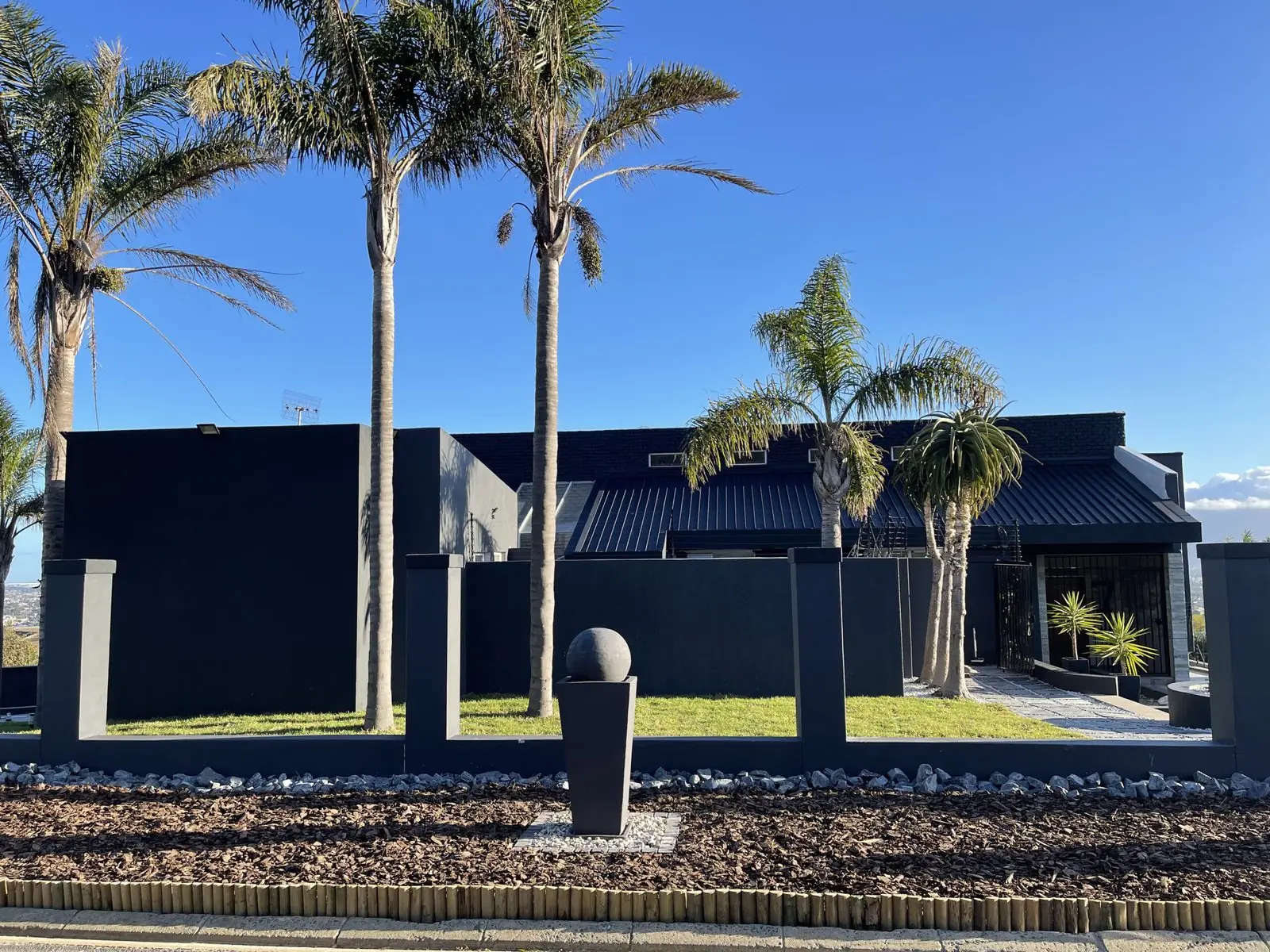
- Plant for your soil. Near the coast much of the ground is alkaline dune sand; on the Tygerberg Hills inland it's clay from shale. Plants that suit the ground need far less fussing.
- Mulch every bed. Mulch holds water in the soil and helps keep weeds down.
- Choose your lawn on purpose. Kikuyu needs regular mowing and creeps into beds; LM Berea needs less mowing and feeding.
- Water within the rules: City of Cape Town permanent rules allow garden watering only before 9am or after 6pm.
- Break the wind with a see-through screen, not a solid wall, and you'll lose fewer plants to the south-easter and salt.
A low-maintenance garden isn't a garden with nothing in it. It's one where the plants suit the ground, the soil stays covered, the lawn is the size you actually use and the wind doesn't undo your work every summer. Get those right in Cape Town and the weekly jobs shrink to a quick tidy.
1. Plant for the soil you have
This is the idea that saves the most work, and it's where Cape Town gardens differ most. Along the coast north of the city, much of the ground is sand blown in from the sea as dunes, and on the newer dunes it's limy and alkaline. The wild cover of that sand, the coastal dune bush called strandveld, is evergreen, hard-leaved and succulent shrubland, with herbs and grasses in the gaps.
Inland, the Tygerberg Hills around Durbanville are renosterveld country, and renosterveld grows on richer clay soils from shale. Fynbos plants such as proteas, leucadendrons, pincushions and restios are hardy and water-wise once established, but they want sandy, well-drained, slightly acidic soil, and their roots rot in waterlogged clay. So a protea that struggles in a clay garden isn't a gardening failure. It's the wrong plant for the ground.
2. Cover bare soil with mulch
Bare soil dries out and grows weeds. A layer of mulch around beds, trees and shrubs holds water in the soil and helps keep weeds down, especially around new plantings. Leaves, wood chips and pine needles all work. On sandy coastal soil, every bit of water you keep counts.
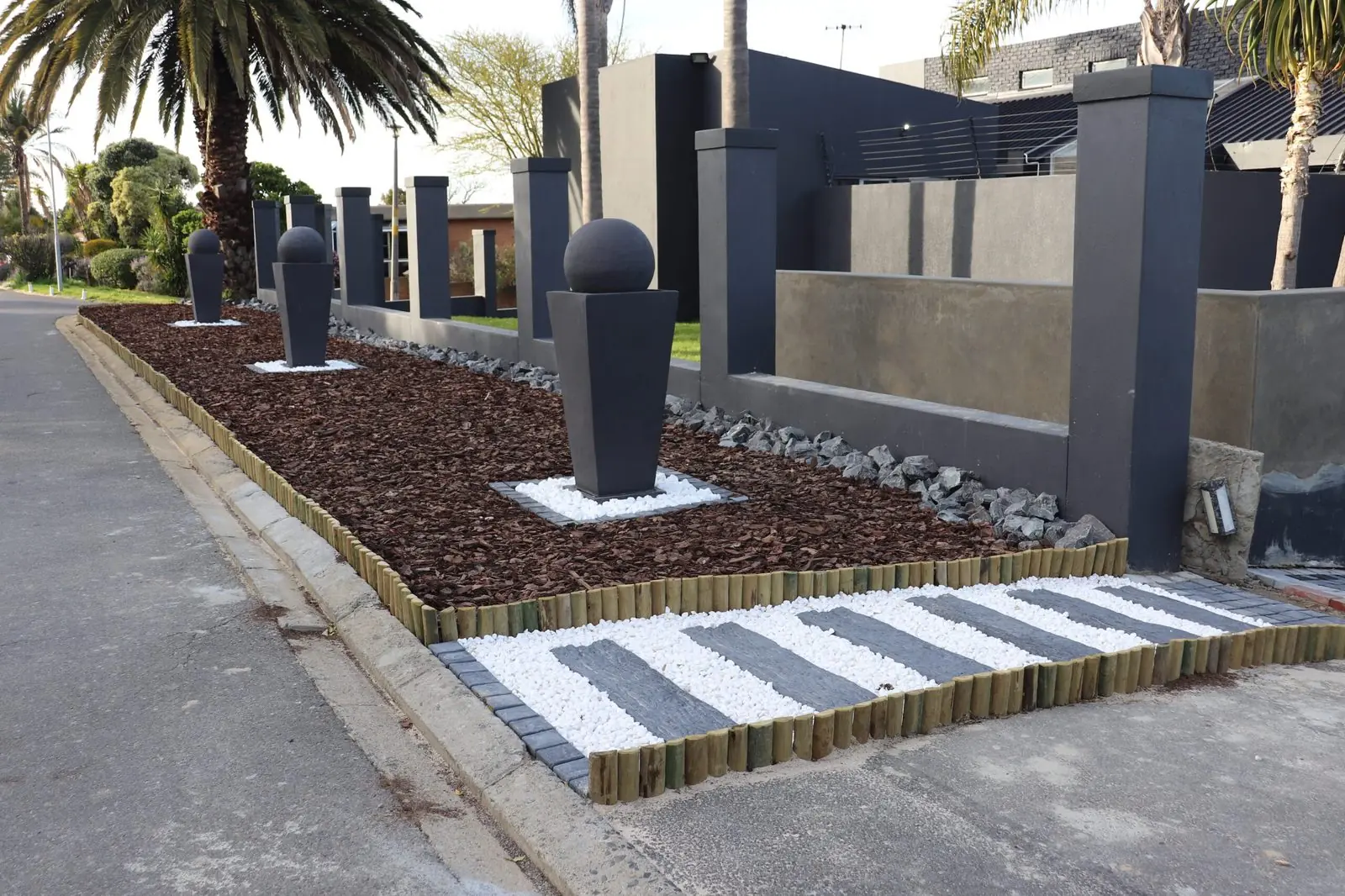
3. Keep the lawn to the size you'll use
Every bit of lawn is something to mow, edge and water. If part of yours is never walked on, it can become a mulched bed instead. And for the lawn you keep, the grass matters. Kikuyu is tough under heavy use and loves full sun, but it needs regular mowing and will creep into your beds. LM Berea copes with shade, grows slowly and needs less mowing and feeding.
Top Trimmers lays both as roll-on lawn, so if you're renewing a lawn anyway, it's worth choosing the one that fits how much work you want to do.
4. Water smarter, within the City's rules
Cape Town hasn't had water restrictions since 1 November 2020, but the City's permanent Water By-law rules still apply. Garden watering is allowed only before 9am or after 6pm, hosepipes need a trigger nozzle, automated sprinklers must be adjustable so they don't waste water, and borehole water should be used sparingly.
New fynbos needs watering about twice a week at first, then weekly once it's established. An irrigation system on a timer takes the job off your hands, and it's easy to set to the City's hours. Top Trimmers has an irrigation expert on hand who does all our irrigation systems.
5. Shelter the garden from the wind
The south-easter blows through summer, and gardens near the sea take salt on top of the wind. A horticulturist who wrote a book on coastal gardening in South Africa says the best built windbreaks are see-through ones, such as a trellis, a picket fence or breeze blocks, because they break the force of the wind. A high solid wall creates turbulence that damages the plants behind it. Near the sea, a windbreak also protects the garden from salt damage.
6. Feed less, and clear the invaders
Fynbos needs little feeding: only if it needs it, and then with an organic fertiliser. LM Berea lawn needs little feeding too, so there's no need for a feeding programme on either.
And if Port Jackson or rooikrans has seeded into the garden, take it out early. Both are listed as Category 1b invasive species under national biodiversity law, which means they must be controlled and, wherever possible, removed. They only get bigger.
The ideas at a glance
| Idea | Why it saves work | Watch out for |
|---|---|---|
| Plant for your soil | Plants that suit the ground need less watering and replacing | Fynbos rots in waterlogged clay |
| Mulch every bed | Holds water in and keeps weeds down | Use leaves, wood chips or pine needles |
| Smaller lawn | Less mowing, edging and watering | Kikuyu creeps into beds |
| Irrigation on a timer | No hosepipe evenings | Set it to before 9am or after 6pm |
| See-through windbreak | Fewer plants lost to wind and salt | Solid walls cause turbulence |
| Feed less | Fynbos and LM Berea need little feeding | Feed fynbos only if it needs it, with organic fertiliser |
Your low-maintenance checklist
- You know if your soil is coastal sand or inland clay
- Every bed is mulched
- The lawn is only as big as you use
- Watering happens before 9am or after 6pm
- Exposed beds have a see-through windbreak
- No Port Jackson or rooikrans seedlings
Even a low-maintenance garden needs a tidy now and then. Top Trimmers' garden services start from R200 for a small garden, R300 for a medium one and R500 for a large one, subject to photos or a look, with a possible once-off clean-up fee on the first visit. Choose once-off, monthly, fortnightly or weekly.
If you'd rather change the garden itself, we do landscaping across Cape Town's northern suburbs: new beds, planting and garden design. WhatsApp photos of the garden to 071 623 4949 for a free quote. For the bigger picture, see the different types of landscaping.
More questions about low-maintenance gardens
Will proteas grow in a sandy garden near the sea in Cape Town?
Not always easily. Proteas and other fynbos prefer slightly acidic, sandy, well-drained soil, and much of the coastal dune sand north of the city is alkaline. Top Trimmers can plan beds around the plants of the local strandveld, which grow wild on exactly that sand.
How often should new fynbos plants be watered?
About twice a week at first, then weekly once they're established, according to the Table Mountain Fund's fynbos guide. In Cape Town, water only before 9am or after 6pm under the City's permanent rules. Top Trimmers can plant new fynbos beds as part of its landscaping and tell you what suits your soil.
Should I replace my lawn with mulched beds?
If part of the lawn is never used, it's one of the easiest ways to cut the weekly work, because mulched beds need no mowing and less weeding. Top Trimmers can dig and plant new beds, and lay fresh kikuyu or LM Berea where you want to keep a lawn.

Top Trimmers
Top Trimmers is a garden and landscaping company in Parklands, Cape Town, owned and run by Tylor Titus since December 2019. The team looks after gardens, trees and grounds across the northern suburbs.
About Top Trimmers →Want a garden that looks after itself?
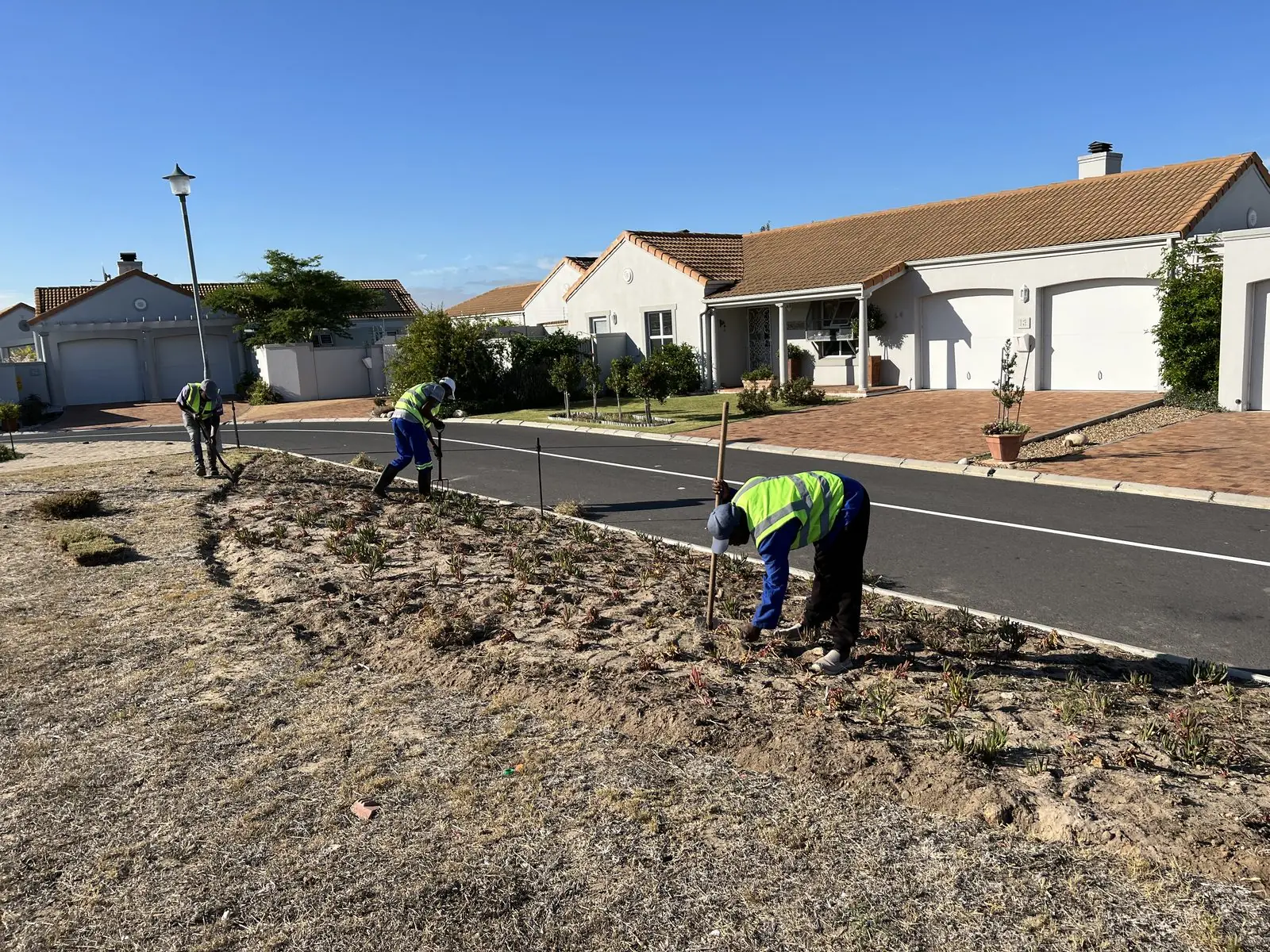 LandscapingNew beds and planting that suit your soil.
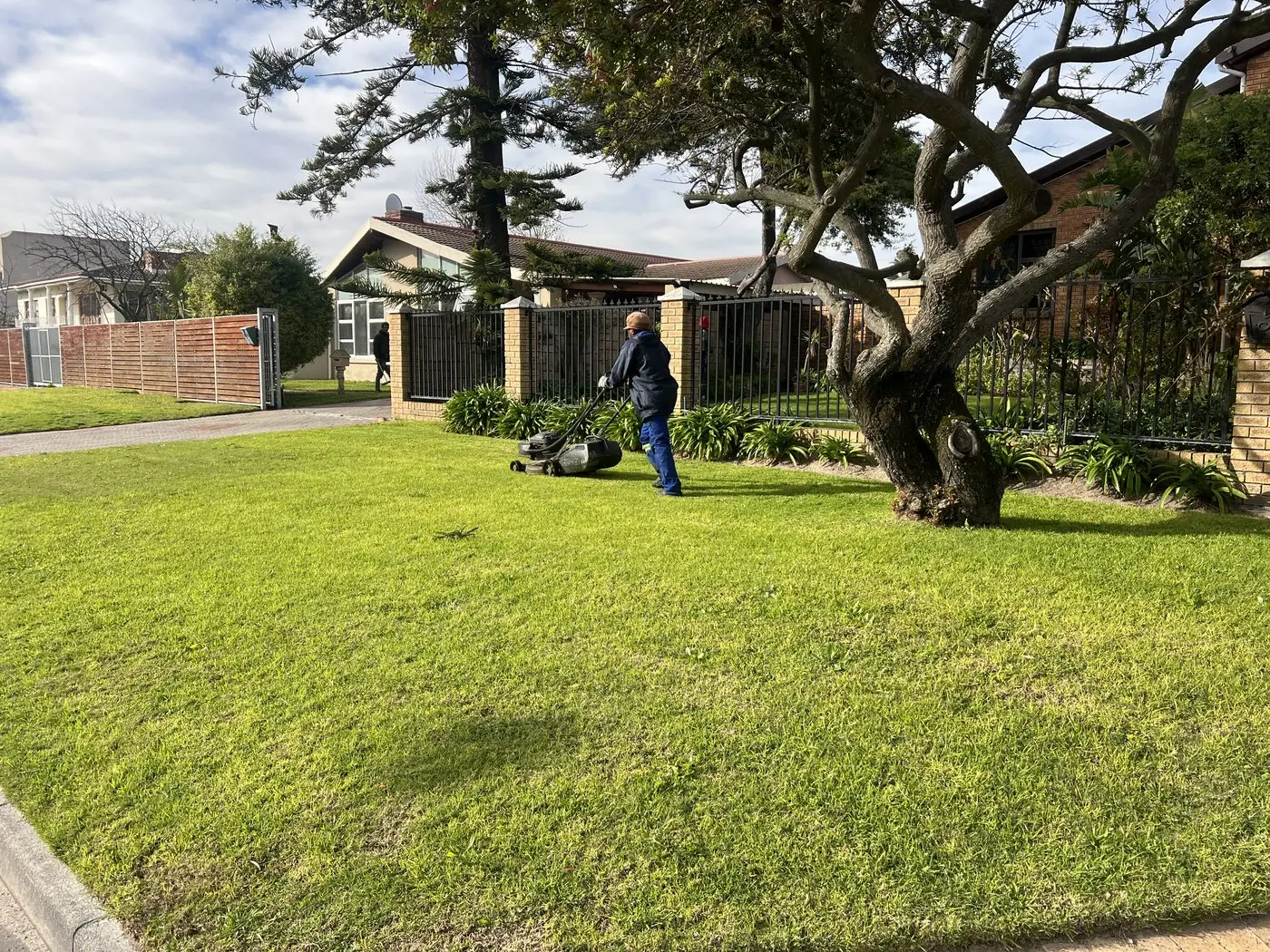 Garden servicesFrom R200 a visit, once-off or regular.
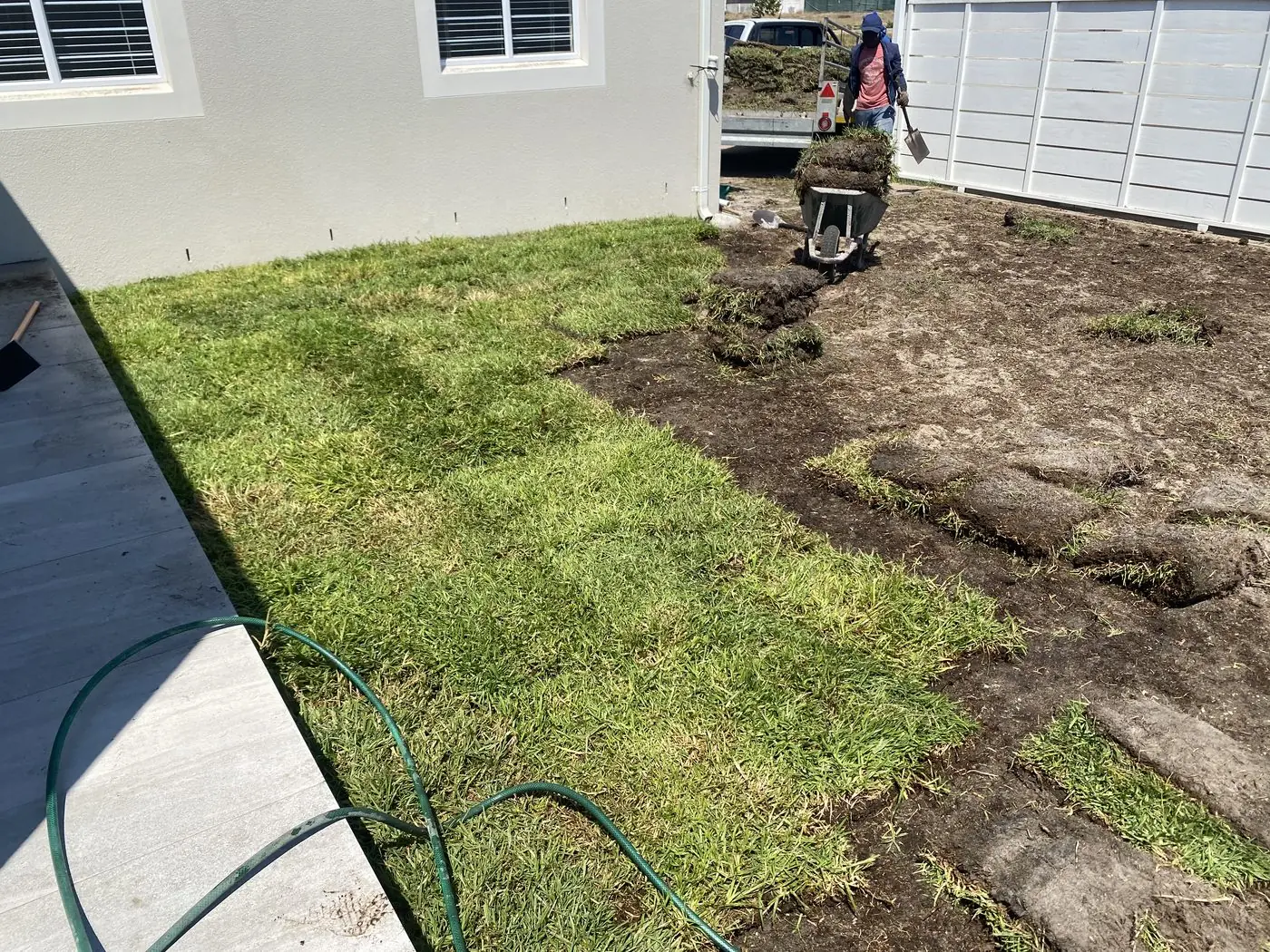 Roll-on lawnKikuyu or LM Berea, laid on prepared ground.
More to read
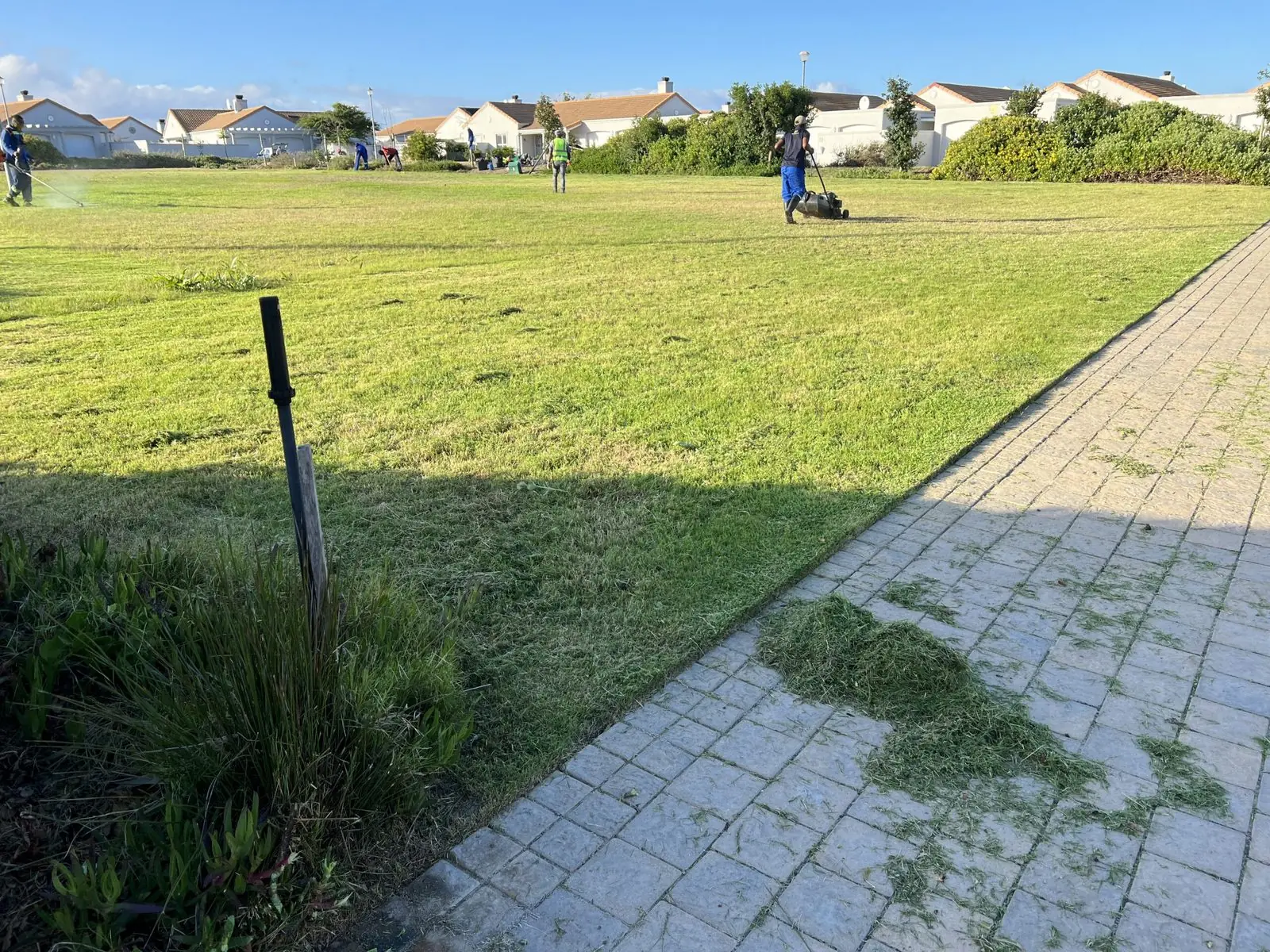
Less garden work, starting now
WhatsApp photos of your garden to 071 623 4949 for a free quote. We reply within 24 hours.